Loading... Please wait...
- Call us on Phone 213.936.5599
- Gift Certificates
- Wish Lists
- My Account
- 0.00

Categories
Articles - japan
Fumio Demura - Never Give Up!
Posted by Jose M. Fraguas on Dec 6th 2016
Fumio Demura
Never Give Up!
Part 3
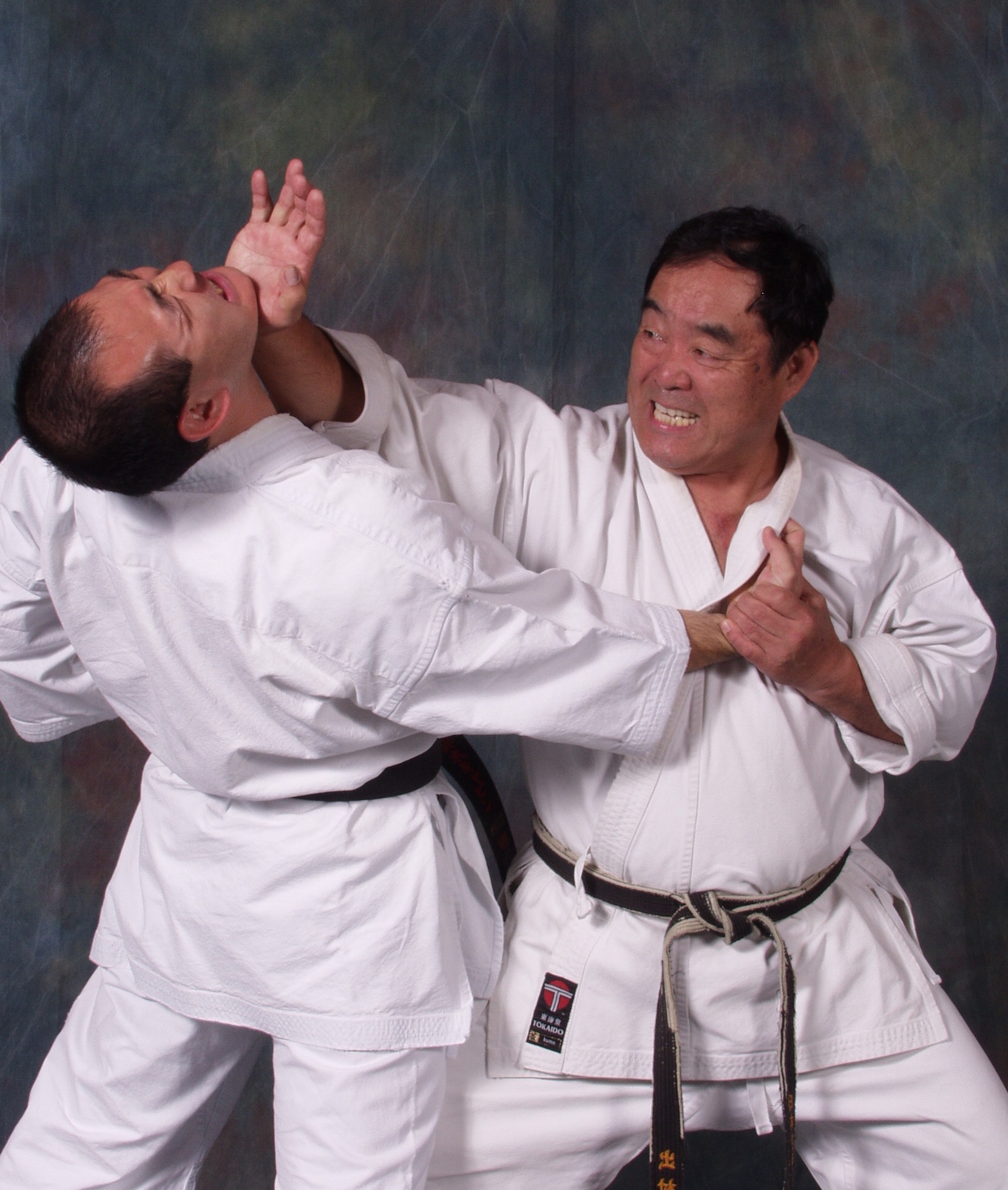
The All-Japan Karate Champion in 1961, Demura came to United States in 1965 to share his knowledge and spread his teachings in his own unique exuberant way. In so doing, he managed the difficult task of preserving the old values passed to him by his Japanese master, without compromising his traditional beliefs. Living in Southern California since his arrival, Demura was a close friend of martial arts legend Donn F. Draeger, who also knew acclaimed authority Dan Ivan, the man who brought Demura from Japan in mid-60s. Simply said, Fumio Demura is the type of person that people naturally follow as a leader.
Q: How do you perceive the modern approach to karate?
A: I think that people want too much too quickly. They want to run before knowing how to walk; or learn advanced techniques without mastering the basics. You can’t have a strong house without a strong foundation. The stronger the basics, the stronger the house – it’s as simple as that. Unfortunately a lot of practitioners don’t understand. Competition has a good and a bad side. The worst thing is losing sight of your training just to win a trophy. Sometimes, the trophy gets to be the most important thing and that’s not right. The student loses so much when they think like that.
On the other hand, the good part is that competition can help the student learn about goal-setting. This allows the student to go through a learning process which includes a viable system of performance grading at the end of the process. I know that the end doesn’t always seem to work, but what is important is that the student went through the process by increasing their training, focused their minds, et cetera. I would like to see all karate practitioners understand that competition is just an small aspect of their total training – it is not the ultimate aim.
Q: As a karate sensei and kobudo teacher, do you feel both arts are related?
A: Of course they are! I always say that they are like the two wheels of a bicycle. They work under the same principles. A full study of kobudo is not for everyone but I strongly recommend some weapons training to everyone. My approach to kobudo is different from that of my instructors, though; in the beginning I use it more for supplemental training.
Q: Which do you consider to be the best kobudo weapon?
A: I don’t think there is a “best” weapon. They help you to develop different things. In fact, the kobudo weaponry is divided into three different categories; long weapons like the bo or the eku; short weapons like the kama, sai, and tonfa; and hiding weapons such as the nunchaku.
Q: But you always felt very comfortable with the nunchaku?
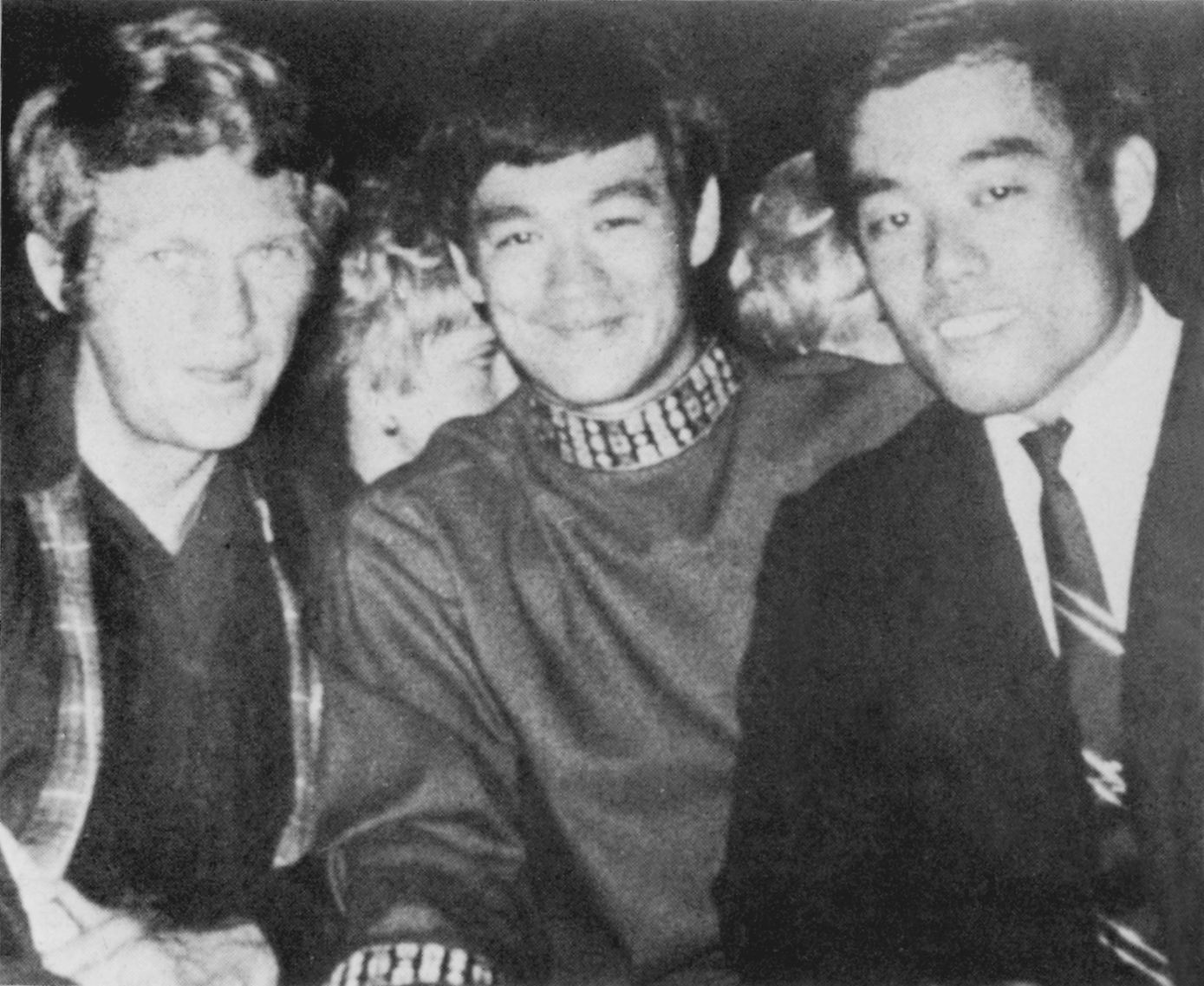
A: Yes. I consider the nunchaku to be a very good weapon. Unfortunately a lot of people misunderstand its use – maybe because of Bruce Lee’s movies. They think you really need that much movement and swinging, when in real life situations one simple swing is all it takes. There is no traditional kata in nunchaku training, but people made their own for practice and to structure the techniques – which I feel is very acceptable.
Q: You’ve have been involved in the movie industry, working with celebrities such as Sean Connery, Burt Lancaster, Wesley Snipes, and many more. But you received the majority of your recognition for your work in The Karate Kid.
A: I’ve been very fortunate. But as result of all that work and seminars, and videos, I had a heart attack. That made me take a look at my lifestyle. I used to leave the dojo for long periods of time on travel, but now I try to focus more on school and doing a little bit of movie work. That’s it and I’m happy. I like to help people. Sometimes people think that I’m doing great things for others, but in fact that’s what a martial artist is supposed to be doing – helping others. That’s what martial arts are all about.
Q: What is your personal training like now?
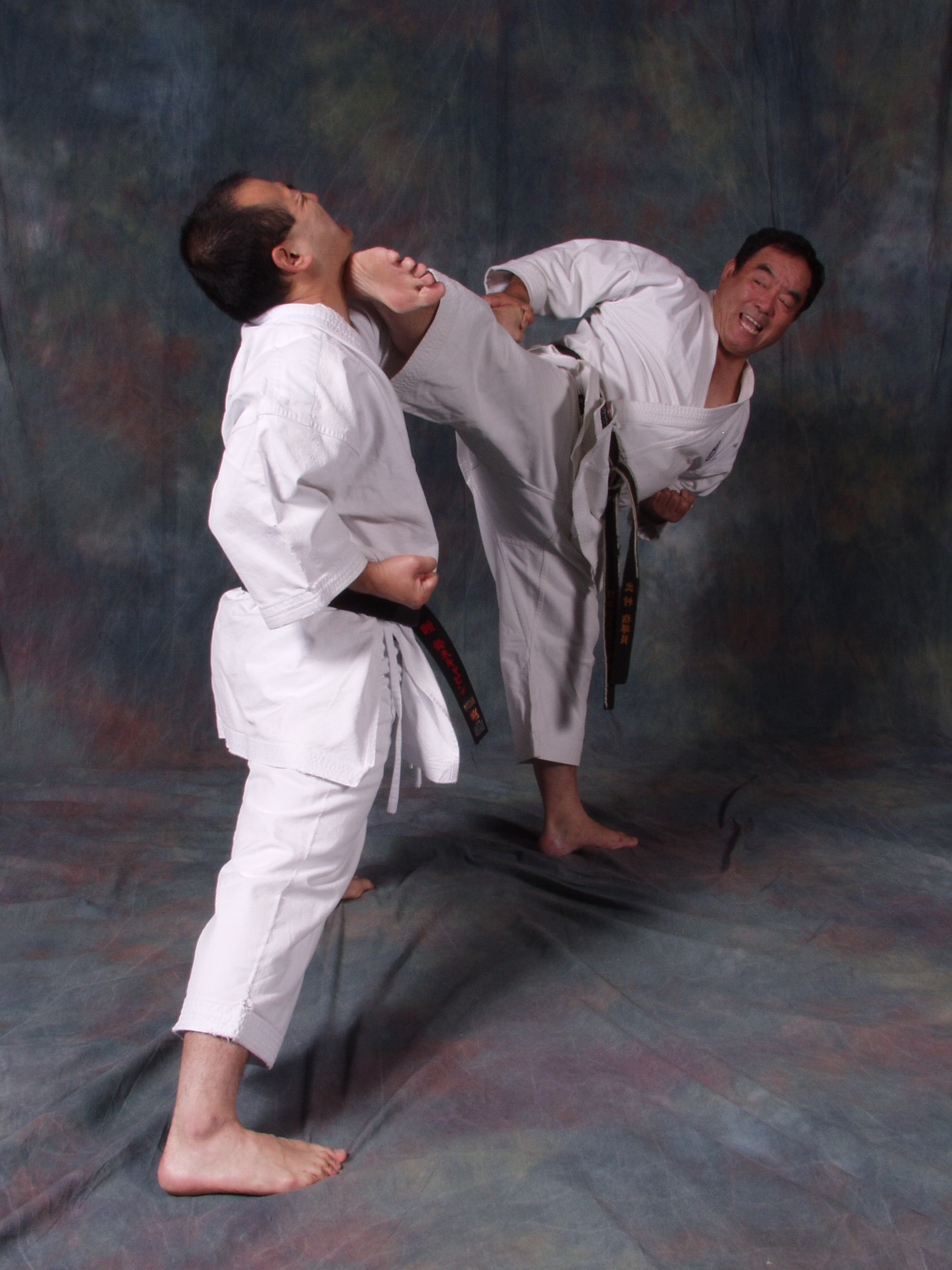
A: I guess everybody goes through the same process. When we are young we try to show how tough we are and we do a lot of kumite. When we get older and our body start to hurt, then we start to appreciate kata. I emphasize more kata and kihon in my personal training. Sensei Sakagami always told me that the original Okinawan kata were easier on the body, because they put less stress on the joints. I didn’t appreciate the truth of this until years later.
Q: What’s your message for all martial artists?
A: Never give up. Martial arts training is not easy, but if you believe strongly enough in yourself, you can achieve anything. For me, that’s the greatest part of being an instructor. I don’t care about the money. If I help my students to become better human beings, that is the greatest reward.
http://martialartsdigital.com/fumio-demura-5-dvd-s...
To learn more directly from Sensei Fumio Demura: